
The Lost Archives
An archive becomes
an audience.
Rare recordings from the University of Science and Philosophy, shaped into a living media series—and a reason to keep exploring.
The decision:
make it a media property.
We saw the opportunity to turn rare recordings into a series people could discover, follow and return to. The archive needed an editorial direction and a way to reach an audience.
Our work connects source selection, restoration, production, release packaging and audience development.
Give the archive
a public form.
The identity and release world connect the source material with an invitation to explore it. Each release gives someone a way in and a reason to keep going.
Bring the person
back into view.
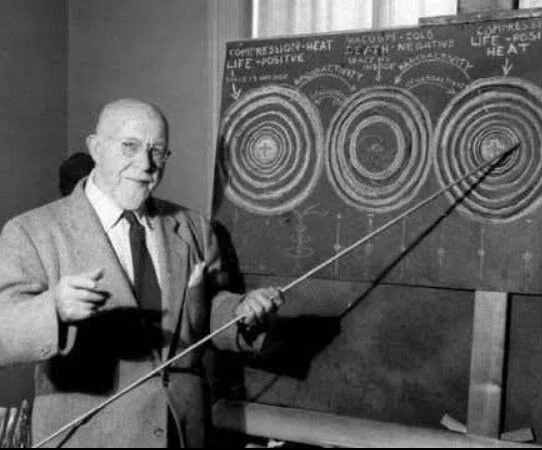
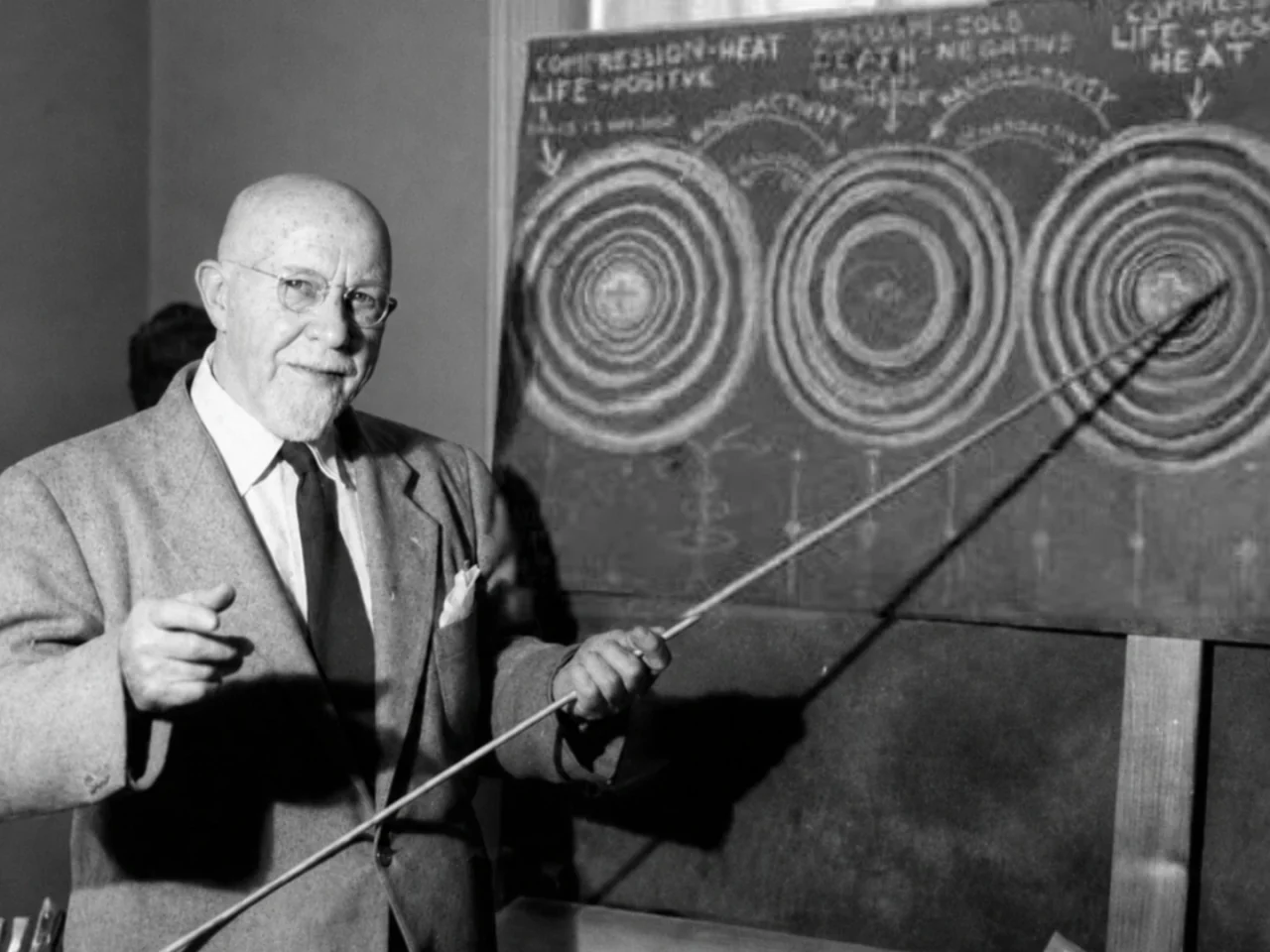
A photograph of Walter Russell before and after restoration. The restored version makes the person and his diagrams easier to use in a film. These images show different crops of the same source.
Another production detail
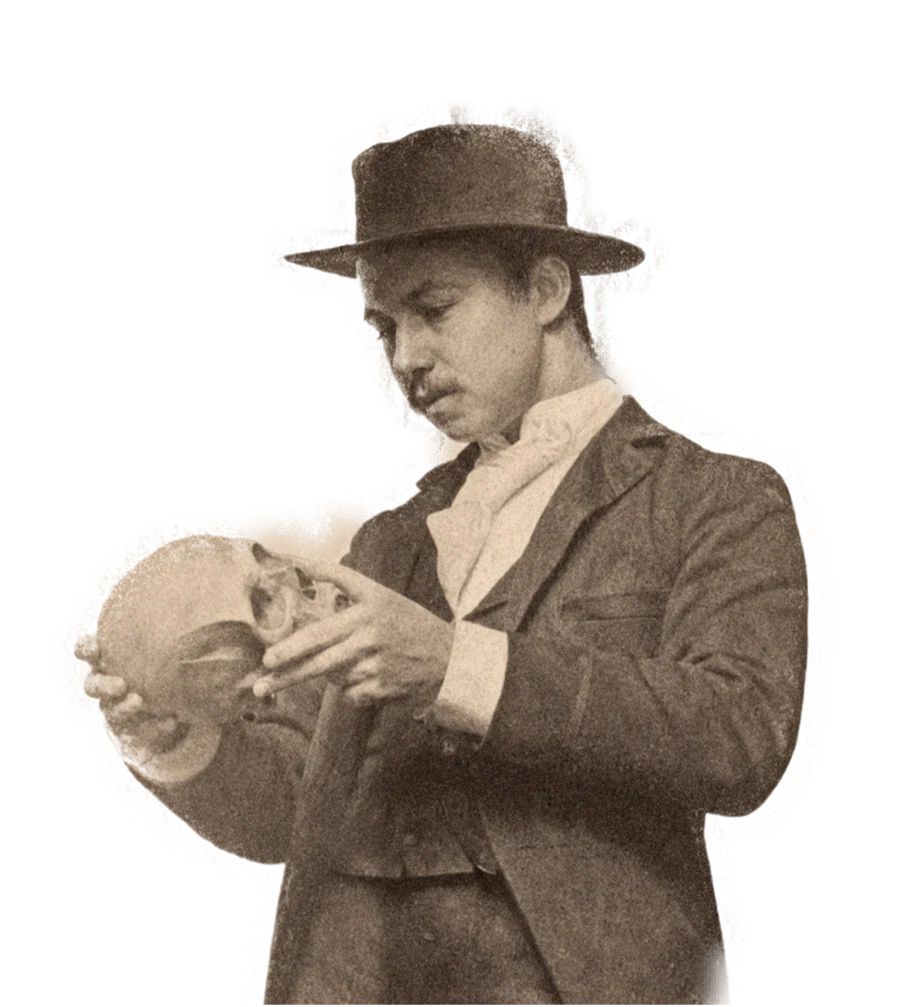
Walter Russell, restored and isolated for production. This is actual image-preparation work.
Every release is
a series of decisions.
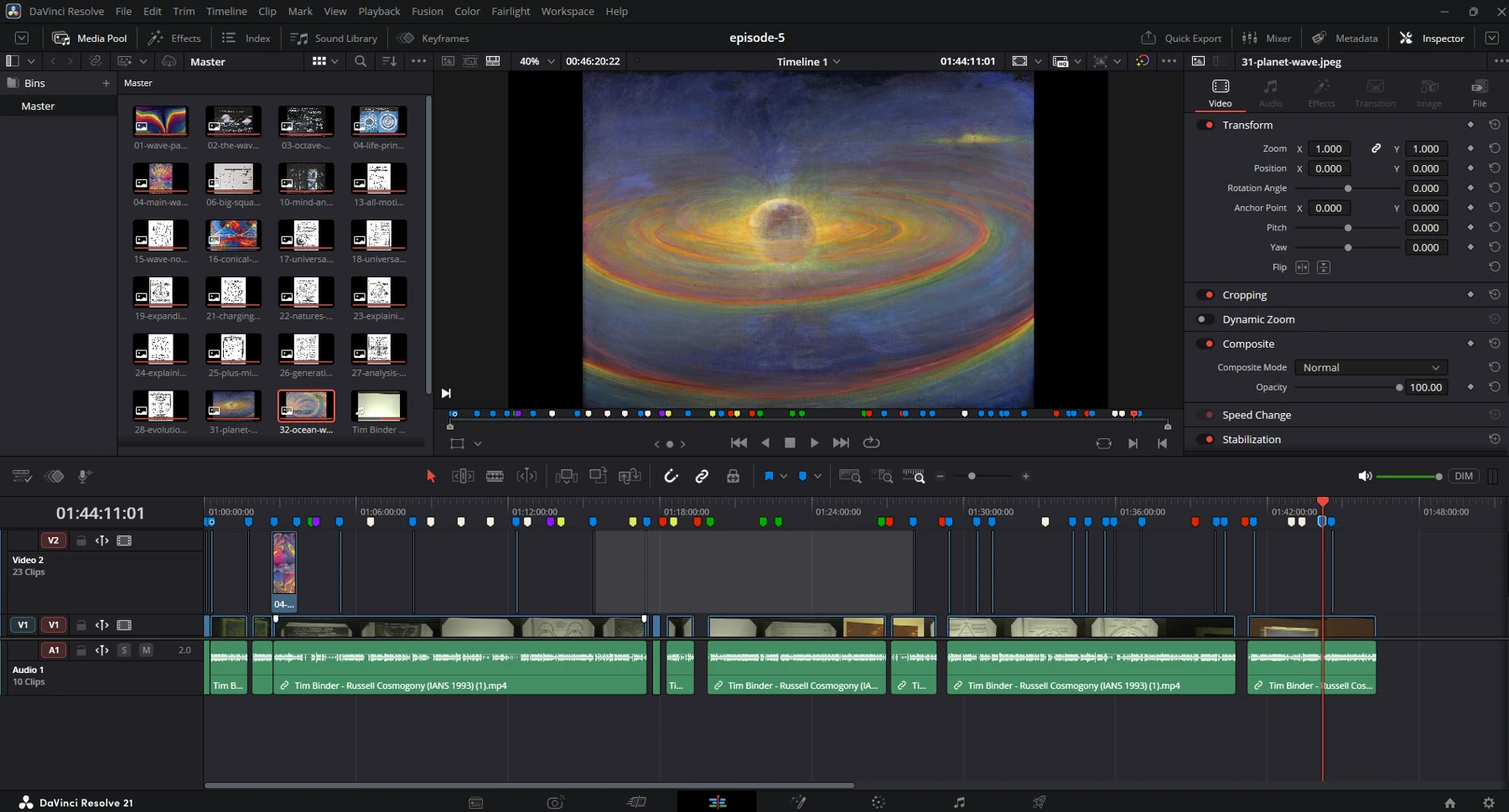
The work can mean restoring a difficult voice, selecting imagery that adds understanding or deciding how much explanation belongs on screen. The production brings those decisions together.
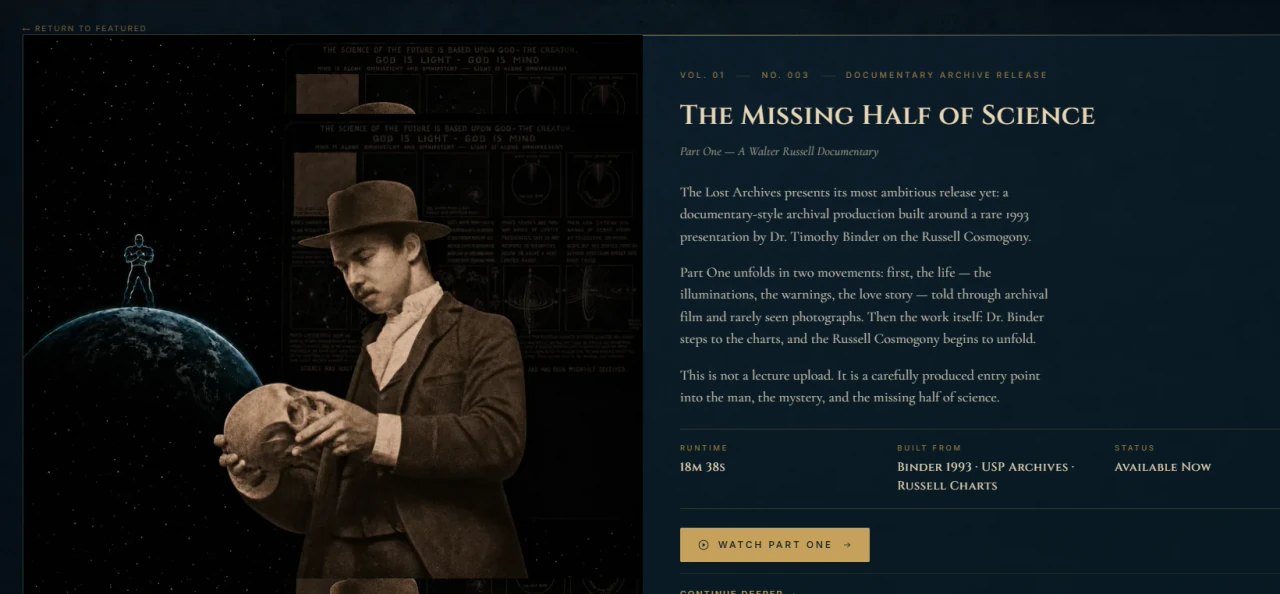
The Missing Half of Science
— Part One.
A rare 1993 presentation by Dr. Timothy Binder becomes a documentary entry into Walter Russell’s life and ideas. Archival film, photographs and Russell’s charts connect the man to the work he left behind.
Watch Part OneThe work meets its audience.
Three months
of organic discovery.
The launch gave the archive a public rhythm: content people could discover, longer work they could spend time with and a community they could join.
The first three reports each recorded more than 1.6 million Facebook views, with the largest total in the third period.
- Month 11.75MMay 19–June 19, 2026
- Month 21.66MJune 19–July 19, 2026
- Month 32.18MJuly 19–August 17, 2026
Beyond the first view.
In the third reporting period, YouTube recorded roughly 18,000 views and 683 watch hours, alongside 178 new subscribers. The community added 92 Mighty members.
USP-wide platform results, not post-by-post Lost Archives attribution. The launch was reported as entirely organic, with $0 advertising spend. This excludes the later paid Homecoming campaign.
Launch sources and reporting windows
Sources: First Two Months Analytics Review, sent July 21, 2026; Month 3 Analytics Dashboard and the accompanying positioning brief, sent August 20, 2026.
The reports label Month 1 as May 19–June 19, Month 2 as June 19–July 19 and Month 3 as July 19–August 17. Their recorded windows span 32, 31 and 30 days. Boundary dates overlap, so the rounded monthly view figures are shown separately rather than added into a single quarter total. Views are not unique people.
The dashboard describes overall USP platform momentum during The Lost Archives period. Native Facebook and YouTube data control where available; Metricool fills cross-platform gaps. Mighty member additions were manually supplied. The $0 advertising statement comes from the accompanying launch brief.
From an audience
to an invitation.
For USP Homecoming 2026, we connected an already-performing film with two event landing pages and Shopify checkout.
The September 19–20 event campaign was a separate chapter from the organic Lost Archives launch.
Start with the film.
Use existing video content, including The Missing Half series, then test and refine paid distribution.
Make attendance clear.
Build two landing pages: one led by the virtual experience, the other by attending in person.
Connect the checkout.
Carry page attribution into Shopify and verify the path with test orders before scaling.
47
Completed tickets through the two landing pages
$2,174.22 in ticket revenue through those pages.
3.41×
Meta website-purchase ROAS
$2,376.99 in attributed purchase value against approximately $697.11 in ad spend.
Post-event reporting, September 21, 2026. All amounts in USD. Landing-page ticket sales and Meta-attributed purchases overlap and are not added together. Meta purchase value may include other Shopify products; the report does not isolate all ticket sales as paid or organic.
Homecoming source and measurement context
Source: USP Homecoming 2026 Case Study Draft, prepared September 30, 2026, pages 1–2. The campaign launched September 4 and used virtual-first and in-person-first landing pages connected to Shopify.
The 47-ticket figure describes completed sales through those pages. The 3.41× figure is Meta-reported website-purchase return on ad spend, which is attributed purchase value divided by ad spend. It is not profit or an incremental-revenue measurement.
These event-campaign results are separate from the earlier organic launch figures.
Our role and the delivered work
Editorial direction, restoration and production, identity, release packaging, audience development and event campaigns.
A media series built from rare recordings, followed by a Homecoming campaign connecting video, event pages and ticket checkout.